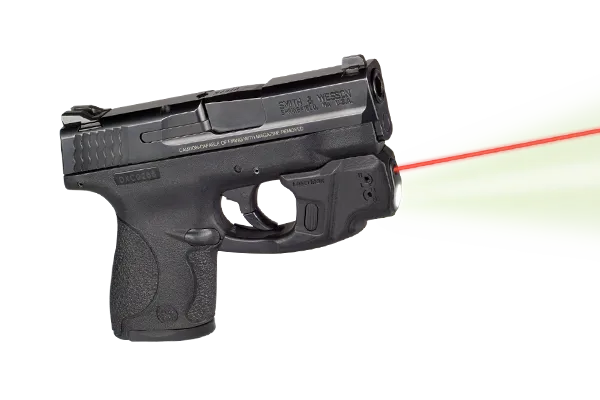
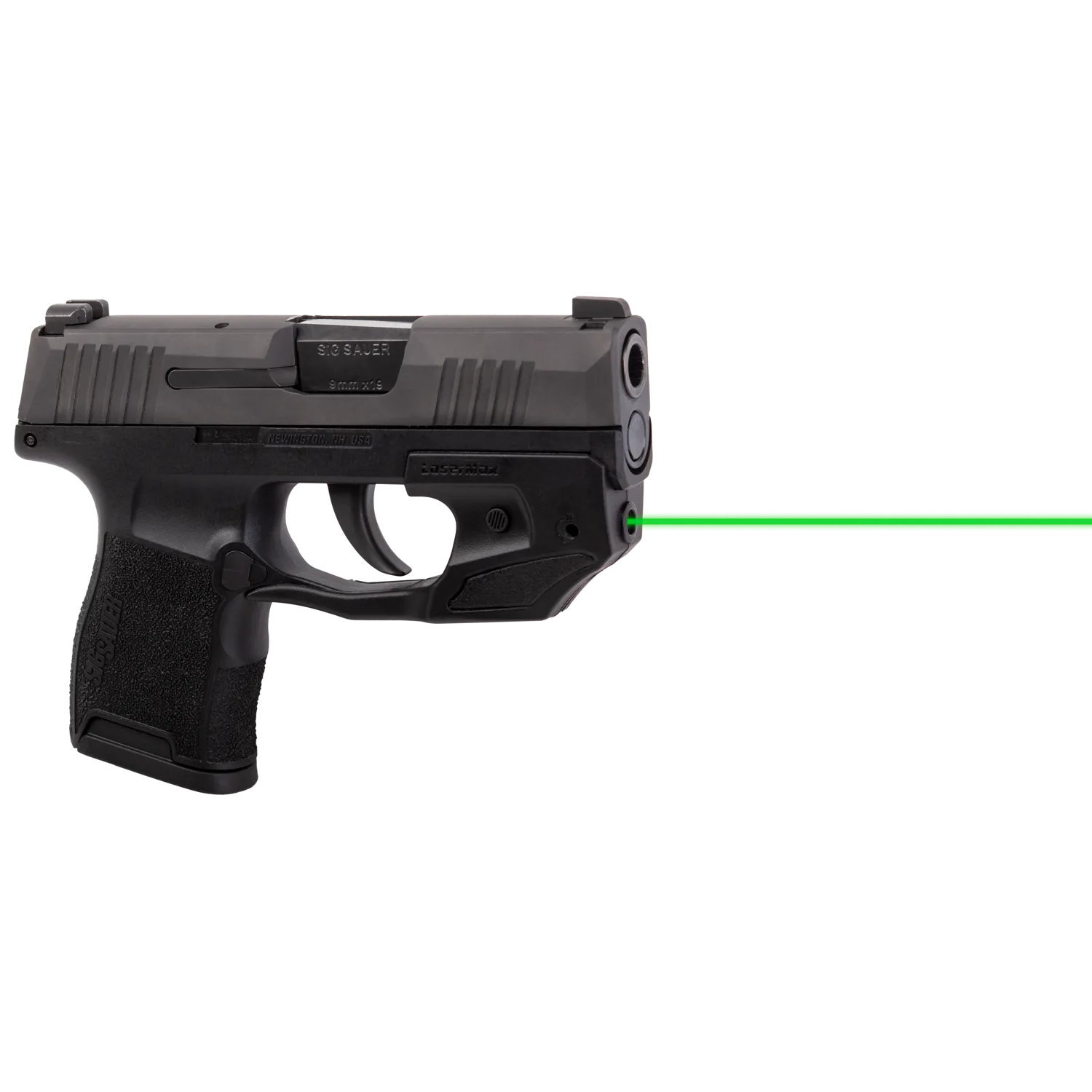
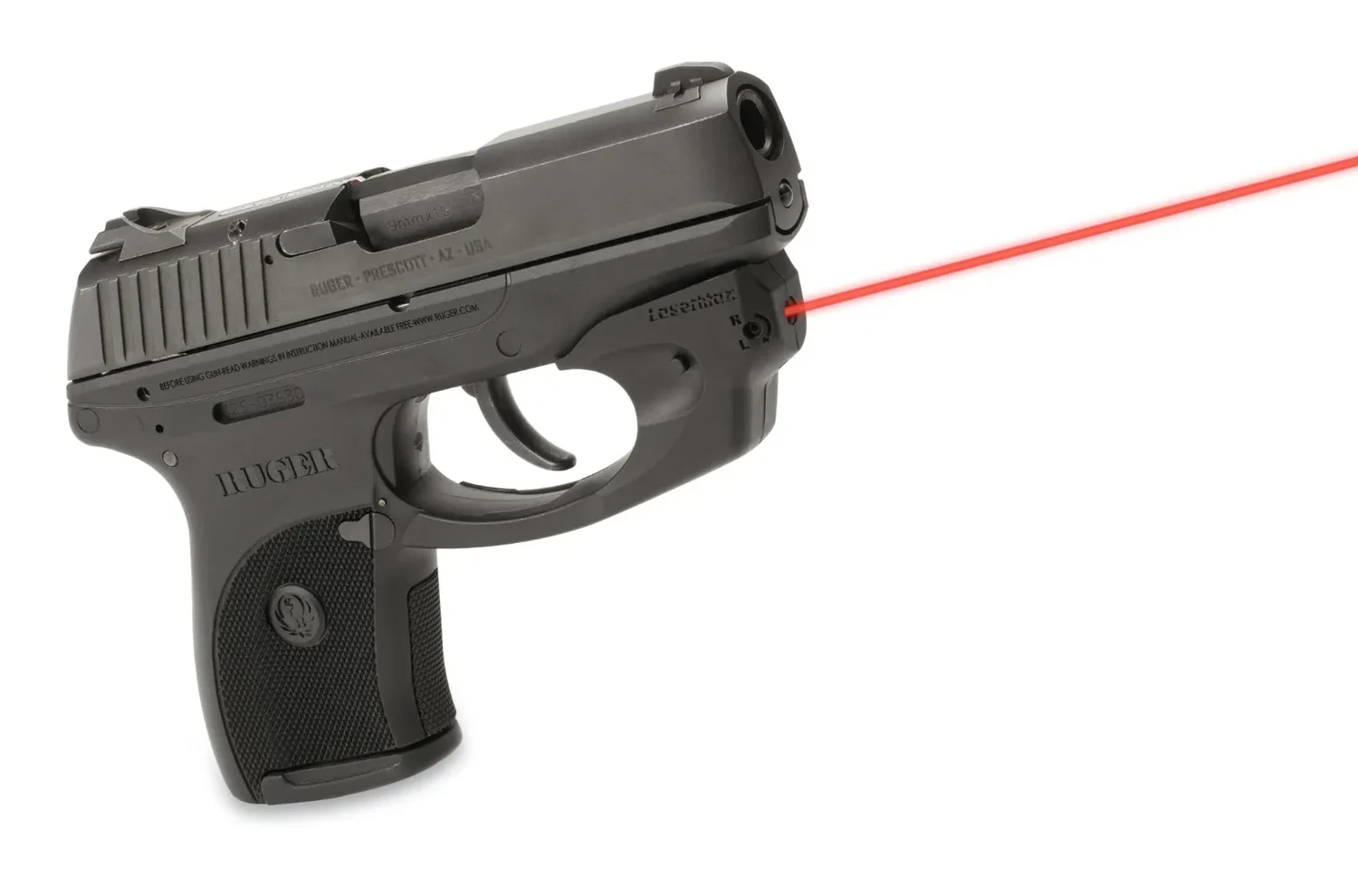
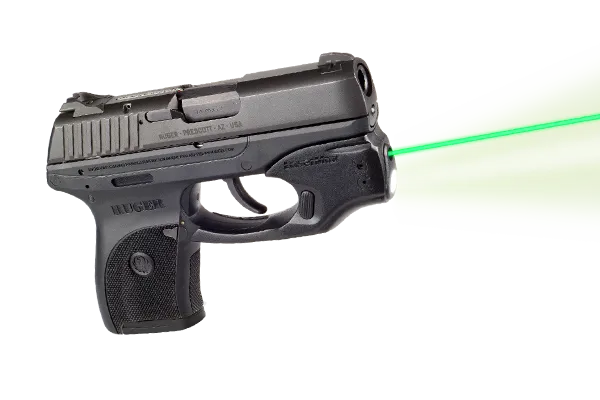
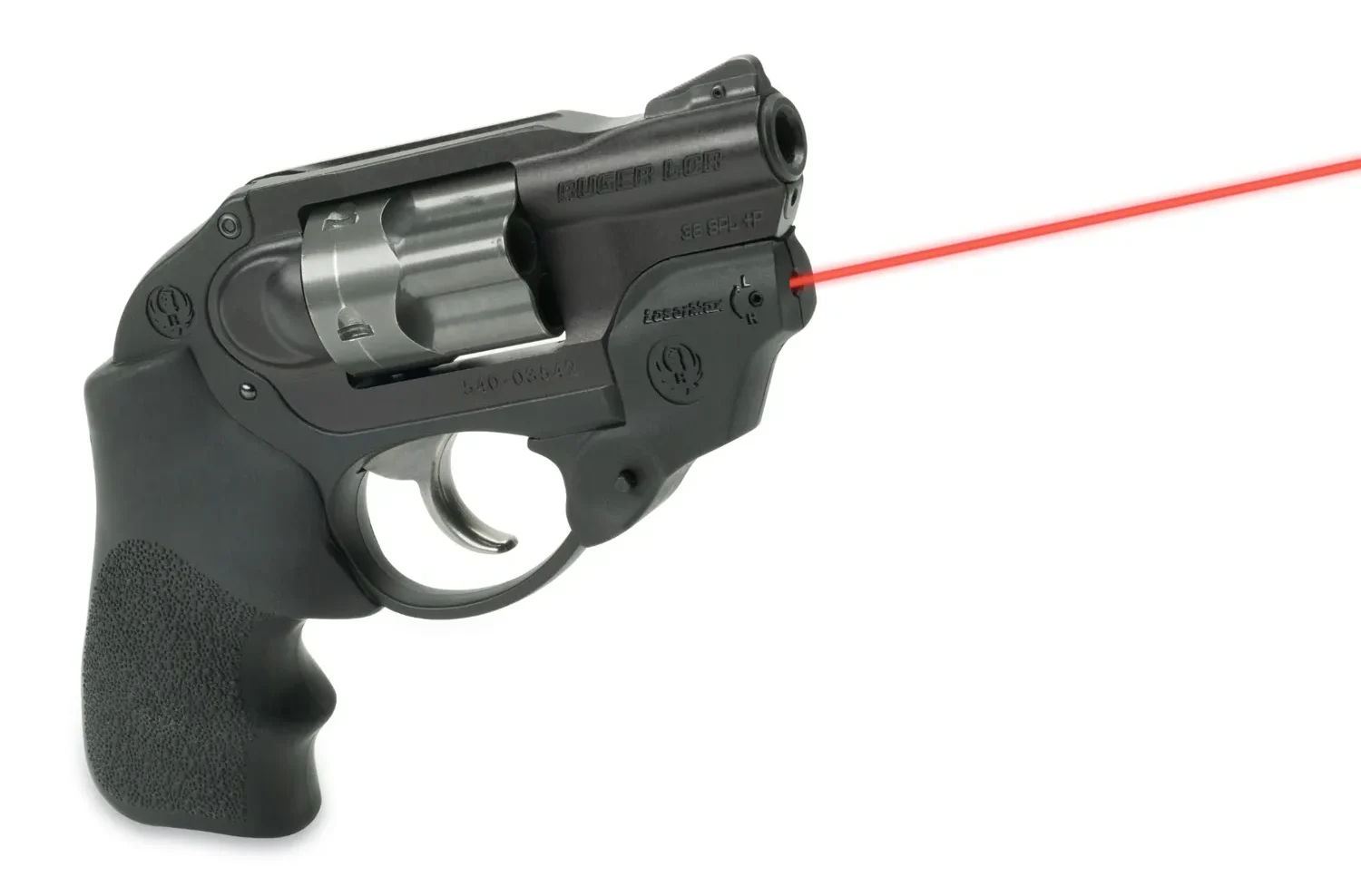
I don’t know if it’s because the trigger guard on my .327 Federal Magnum LCR is slightly thicker material, or if it is a quality control issue, but MAN it was tough to get on. I did finally get the thing torqued down enough to where it didn’t want to move around too much, but it felt almost like it might either crack or the screws were going to strip getting the two halves flush. It can still be moved out of adjustment by a stiff jot or pulling on it. I also found that it was way out of alignment and have had to turn the adjustment screws so far that the lens of the laser appears so skewed as to almost overlap the housing. At one point I considered sanding or shaving it down, but decided that if that didn’t do the trick, I would lose the option of returning it. Adjusting it was somewhat unpleasant, but that’s only partly due to the device. The other part is that the LCR’s small frame can easily lead an insufficiently cautious rube like myself to let fingers overlap the cylinder gap and cause stippling and powder burns. This occurred when, not having a bench rest on which to stabilize the gun for zeroing the laser, I tried to stabilize the gun on the shelf in front of my firing lane at the local indoor range. And again, this was a tedious process given that the imperfect fit meant required extensive adjustment to center the red dot on my sight picture. Overall, it’s been dependable ever since, though it hasn’t get a ton of use. The point of impact isn’t perfect, and elevation varies significantly over just a couple of yards, but inside of 7 yards I’m not terribly concerned about pinpoint accuracy, and I doubt I’d have the confidence to fire an LCR at targets beyond 20 yards. In other words, it’s as accurate as I’d be without it, and the upgrade in sight awareness and accuracy it provides in low light or under duress are well worth the investment. I was concerned at first that it might accidentally activate by rubbing against a holsterit and run the battery down, but the button has proven reliable and easy enough to operate. As a final thought, the biggest downside is that finding a suitable holster had been as much of a problem as finding the .32 H&R magnum ammo I prefer to load it with. In fact, between the two, a gun that was carefully selected as an ideal daily carry option has yet to make it into regular rotation. There is precious little aftermarket support for the LCR (especially in an oddball caliber like .327), so that’s something you should consider before adding a Lasermax. It’s clearly a more affordable alternative to the preposterously overpriced Crimson Trace laser grips, but you don’t need a laser for a gun you don’t plan to carry, so do a bit of homework on whether there is a holster option that will fit your needs first. I have been using a Talon "Tuckable" leather holster, which is compact, well made, and comfortable enough for just walking around, but it adds bulk that is difficult to conceal well on the hip and less comfortable to sit with at my preferred 4:00 carry position. The additional width of the holster to accommodate the Lasermax makes for uncomfortable pressure points when sitting or bending down in appendix carry, though it is convenient and works fine for short casual trips to the store or to walk the dog where concealment is somewhat less of an issue. So at least in part due to the Lasermax, my LCR has become my "grab and go" dog walking gun. The key takeaway from my experience is that if an accessory designed to improve your weapon’s performance as a self defense tool ends up making you leave it at home, you should consider whether you’re better off either ponying up the dough for the Crimson Trace or skipping the laser altogether and spending the money on ammo to practice using those iron sights.